Chaotic cooperative survival down an endless cosmic lazy river
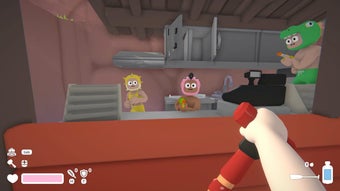
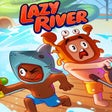
Lazy River, from Mike Boxleiter, drops players into Water Station One to escape a pool-side outbreak by improvisation and teamwork. The game tasks small squads with assembling a makeshift raft and navigating an infinite winding watercourse while repelling infected guests. It blends first-person shooting, base construction, and roguelike randomness into physics-driven encounters. Fans of cooperative survival and emergent, humor-tinged action games find its blend of chaos and creative combat appealing.
What kind of game places you on a moving base in a ruined waterpark?
The premise frames action around survival and escape. Players start inside Water Station One after a pool incident turns guests hostile, then aim to reach safety by keeping a drifting craft intact. The setting supplies both motive and tools, turning simple objectives into improvisational goals as encounters escalate along the river.
Does it support shared play and how are interactions structured?
Designed for small-team cooperation, the design rewards role distribution and quick decisions. The game supports up to four players in online sessions, and progression depends on scavenging scrap to expand the raft. Combat uses playful, waterpark-themed gear, while cooperative base maintenance and resource allocation shape each run into a tense group task.
What does the game look and sound like, and how does that affect play?
Visuals and tone lean toward stylized, sci-fi amusement aesthetics. The cosmic waterpark environment and humorous zombie premise create a bright, eccentric palette that offsets the chaos of combat. Audio and weapon effects underline the comedic conceit, amplifying emergent moments during frantic, physics-driven fights that critics noted after the Summer Game Fest 2026 showing.
Is progression clear and why do players return for more?
Procedural hazards and the endless river give runs distinct rhythms and stakes. The game uses randomized challenges to keep sessions unpredictable, while raft expansion provides short-term goals inside each run. Replayability comes from variable encounters and cooperative improvisation, which suits players who prefer emergent scenarios over scripted mission lists.
In summary, a lively co-op experiment best for groups who enjoy chaotic, social runs
The game is a smart pick for players drawn to social improvisation and comedic combat, especially after its positive reception at Summer Game FestIt favors teams that enjoy unpredictable encounters and shared problem solving rather than solo, tightly scripted campaigns. Expect a playful, risk-heavy multiplayer loop that rewards creativity and group coordination.